

Quran About Beating Wife: An In-Depth Analysis
The interpretation of Quranic verses regarding the treatment of wives has been a subject of debate and controversy both within and outside the Muslim community. This article aims to provide a detailed and comprehensive analysis of the relevant Quranic verses, contextual background, scholarly interpretations, and contemporary perspectives to clarify misunderstandings and promote a deeper understanding of the topic.
Surah An-Nisa (4:34): The Controversial Verse
The verse that often comes under scrutiny is Surah An-Nisa (4:34), which states:
“Men are the protectors and maintainers of women because Allah has given the one more (strength) than the other, and because they support them from their means. Therefore, the righteous women are devoutly obedient and guard in the husband’s absence what Allah would have them guard. As to those women on whose part you fear disloyalty and ill-conduct, admonish them (first), (next) refuse to share their beds, (and last) beat them (lightly); but if they return to obedience, seek not against them Means (of annoyance): For Allah is Most High, great (above you all).”
Contextual Background
Understanding the historical and cultural context during the revelation of the Quran is essential. Pre-Islamic Arabian society often subjected women to severe oppression and violence. Islam introduced regulations to protect women and limit abusive practices. The verse in Surah An-Nisa was revealed in a society where physical discipline was a norm, and the Quran aimed to mitigate and regulate this behavior within a framework of justice and compassion.
Linguistic Analysis
The Arabic term “darb” used in the verse can be translated in various ways, including “to beat,” “to strike,” or even “to go away.” The interpretation of this term has been the focal point of much scholarly debate. Different scholars offer varying interpretations based on linguistic, contextual, and jurisprudential analyses.
Scholarly Interpretations
Traditional Interpretations
Ibn Kathir
Ibn Kathir, a renowned classical scholar, interprets the verse as allowing a symbolic form of discipline that should not cause harm or injury. He emphasizes that the verse should be seen in light of the Prophet Muhammad’s (PBUH) teachings and actions, which were always compassionate and respectful towards women.
Al-Tabari
Al-Tabari, another classical scholar, also views the verse as prescribing a symbolic gesture rather than physical harm. He stresses that the purpose is to maintain family harmony and that any action taken should be with the intention of reconciliation.
Modern Interpretations
Dr. Muhammad Asad
Dr. Muhammad Asad, a modern scholar, argues that the term “darb” should not be taken literally. He suggests that it implies a symbolic act to express displeasure without physical harm. Asad emphasizes the importance of understanding the verse within the broader ethical framework of the Quran.
Laleh Bakhtiar
Laleh Bakhtiar, in her translation of the Quran, offers an alternative interpretation, translating “darb” as “to go away.” She suggests that in cases of severe marital discord, separation might be a better solution than any form of physical discipline.
Amina Wadud
Amina Wadud, a prominent feminist scholar, advocates for a re-interpretation of the verse in light of contemporary values of human rights and gender equality. She argues that the Quran’s overarching principles of justice, compassion, and respect should guide the interpretation of this verse.
Islamic Jurisprudence on Domestic Violence
Islamic jurisprudence (Fiqh) provides a framework for understanding the application of Quranic verses. Different schools of thought offer various perspectives on the issue.
Hanafi School
The Hanafi school emphasizes the use of the least harmful means to resolve marital disputes. Physical discipline, if any, should not leave marks or cause injury. The Hanafi jurists advocate for reconciliation and mutual respect in marital relationships.
Maliki School
The Maliki school focuses on promoting understanding and mutual respect. They recommend measures such as counseling and mediation to address marital issues, discouraging any form of physical discipline.
Shafi’i School
The Shafi’i school stresses the symbolic nature of any disciplinary action. They advocate for non-violent means and emphasize the importance of maintaining harmony and preventing abuse.
Hanbali School
The Hanbali scholars, while allowing for a more literal interpretation, stress that any physical action should be symbolic and non-injurious. They highlight the importance of mutual respect and compassion in marriage.
The Role of the Prophet Muhammad (PBUH)
The Prophet Muhammad’s (PBUH) treatment of his wives serves as the ultimate example for Muslims. He never resorted to violence against his wives and always advocated for their fair and kind treatment. His teachings emphasize the importance of compassion, respect, and mutual understanding in marriage.
Hadith on Treating Wives
Several Hadith (sayings of the Prophet Muhammad) highlight the importance of treating wives with kindness and respect. For example:
- “The best of you are those who are best to their wives.” (Sunan al-Tirmidhi)
- “Do not beat Allah’s female servants.” (Sunan Abi Dawud)
These Hadith reinforce the Quranic message of compassion and justice in marital relationships.
Contemporary Perspectives on Domestic Violence
Human Rights and Islam
In contemporary times, many Muslim scholars and human rights activists call for reinterpreting traditional views on wife-beating in light of modern values and human rights standards. They argue that Islam’s core principles of justice, compassion, and respect should guide the interpretation of Quranic verses.
Legal Reforms in Muslim-Majority Countries
Many Muslim-majority countries have enacted legal reforms to address domestic violence, aligning with both Islamic principles and international human rights standards. These reforms aim to protect women from abuse and provide legal recourse for victims.
Role of Education and Awareness
Raising awareness about the true teachings of Islam regarding marriage and domestic violence is crucial. Educational programs, community workshops, and public campaigns can help dispel misconceptions and promote healthy, respectful relationships.
Support Services for Victims
Providing support services such as counseling, shelters, and legal aid for victims of domestic violence is essential. Community leaders and religious scholars can play a vital role in advocating for and supporting these services.
Misconceptions and Clarifications
Misconception: Islam Permits Wife-Beating
One of the most common misconceptions is that Islam permits wife-beating. This view arises from a misinterpretation of the Quranic verse. Islam advocates for the fair and kind treatment of women, and any form of abuse is contrary to its teachings.
Clarification: Symbolic and Non-Harmful Actions
Many scholars interpret the Quranic verse as allowing only symbolic and non-harmful actions, intended as a last resort after all other measures have failed. The primary goal is reconciliation and maintaining the marital relationship.
Misconception: Islam Does Not Support Women’s Rights
Another misconception is that Islam does not support women’s rights. On the contrary, Islam grants women numerous rights and emphasizes their dignity and respect. The teachings of the Quran and the Prophet Muhammad (PBUH) advocate for gender equality and justice.
Clarification: Emphasis on Justice and Compassion
Islam’s core principles of justice and compassion underscore its teachings on marital relationships. The Quran and Hadith promote mutual respect, understanding, and kindness between spouses.
Conclusion
The verse in Surah An-Nisa (4:34) should be understood in its historical context and interpreted in light of Islamic principles of justice, compassion, and respect. While traditional interpretations may vary, modern scholarship and human rights perspectives emphasize non-violence and equality in marital relationships. By promoting education, legal reforms, and support services, Muslim communities can address and prevent domestic violence, upholding the true teachings of Islam.
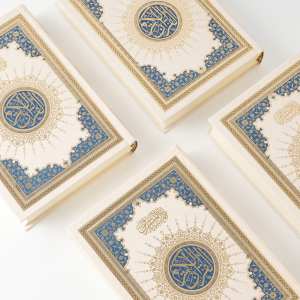
FAQs About Beating Wife in the Quran
Is it permissible in Islam to beat one’s wife?
No, Islam does not condone violence against women. The Quranic verse often cited in this context, Surah An-Nisa (4:34), is subject to various interpretations. Many scholars emphasize that any disciplinary action should be symbolic, non-harmful, and a last resort after all other measures have failed. The Prophet Muhammad (PBUH) exemplified kindness and respect towards women, and his teachings strongly discourage any form of domestic violence.
How do Islamic scholars interpret the term “beat” in Surah An-Nisa (4:34)?
Islamic scholars have different interpretations of the term “beat” (Arabic: “darb”) used in Surah An-Nisa (4:34). Some classical scholars view it as a symbolic gesture meant to express serious disapproval without causing harm. Modern scholars, such as Dr. Muhammad Asad and Laleh Bakhtiar, argue that the term can also mean “to go away” or “to separate,” suggesting non-violent methods like temporary separation. The overarching principle in all interpretations is to avoid harm and to strive for reconciliation and harmony in marriage.
What measures can Muslim communities take to prevent domestic violence?
Muslim communities can take several measures to prevent domestic violence, including:
- Education and Awareness: Educate community members about the true teachings of Islam regarding marriage and domestic violence through workshops, seminars, and public campaigns.
- Legal Reforms: Support and implement legal reforms that protect women from domestic violence and provide legal recourse for victims.
- Support Services: Establish support services such as counseling, shelters, and legal aid for victims of domestic violence.
- Religious Guidance: Encourage religious leaders to speak out against domestic violence and promote the Quranic principles of justice, compassion, and mutual respect in marriage.
How does Islam view the role of women in marriage?
Islam views women as equal partners in marriage, deserving of respect, dignity, and rights. The Quran and the teachings of the Prophet Muhammad (PBUH) emphasize mutual respect, compassion, and kindness between spouses. Women have the right to be treated fairly, to receive financial support from their husbands, and to seek divorce if the marriage becomes harmful. Islam encourages a partnership where both husband and wife work together to create a harmonious and loving home.
What are some contemporary approaches to interpreting Quranic verses about wife-beating?
Contemporary approaches to interpreting Quranic verses about wife-beating often focus on re-evaluating traditional views in light of modern values of human rights and gender equality. Scholars and activists emphasize non-violent and equitable interpretations that align with the Quran’s overarching principles of justice, compassion, and respect. These approaches include:
- Symbolic Interpretation: Viewing any disciplinary action as a symbolic gesture rather than a physical one.
- Alternative Meanings: Considering alternative translations of the term “darb,” such as “to go away” or “to separate.”
- Contextual Understanding: Understanding the historical and cultural context of the verse and its application in contemporary society.
- Promoting Reconciliation: Focusing on methods that promote reconciliation, such as counseling and mediation, rather than physical discipline.
How do legal reforms in Muslim-majority countries address domestic violence?
Many Muslim-majority countries have enacted legal reforms to address domestic violence, aligning with both Islamic principles and international human rights standards. These reforms typically include:
- Legal Protection: Laws that explicitly prohibit domestic violence and provide protection orders for victims.
- Criminalization: Criminalizing acts of domestic violence and ensuring that perpetrators are held accountable.
- Support Services: Establishing government and non-governmental organizations to offer support services such as shelters, counseling, and legal aid for victims.
- Awareness Campaigns: Conducting public awareness campaigns to educate the public about the legal consequences of domestic violence and the rights of victims.
What role do Hadith play in understanding the Quranic verses about wife-beating?
Hadith, which are the sayings and actions of the Prophet Muhammad (PBUH), play a crucial role in understanding and interpreting Quranic verses. Several Hadith emphasize the importance of treating wives with kindness and respect. For example:
- “The best of you are those who are best to their wives.” (Sunan al-Tirmidhi)
- “Do not beat Allah’s female servants.” (Sunan Abi Dawud)
These Hadith provide context and guidance, highlighting that any form of violence against women is contrary to the teachings of Islam. They reinforce the Quranic principles of compassion, justice, and mutual respect in marriage.
How can education and awareness help in preventing domestic violence in Muslim communities?
Education and awareness are essential in preventing domestic violence in Muslim communities. By educating community members about the true teachings of Islam regarding marriage and domestic violence, misconceptions can be dispelled, and healthy relationships can be promoted. Educational programs can:
- Teach Islamic Principles: Highlight the Quranic principles of justice, compassion, and respect in marital relationships.
- Promote Gender Equality: Emphasize the importance of gender equality and the rights of women in Islam.
- Provide Resources: Inform individuals about available resources and support services for victims of domestic violence.
- Encourage Dialogue: Foster open discussions about domestic violence and the steps that can be taken to prevent it.
By raising awareness, communities can create a supportive environment where victims feel empowered to seek help and perpetrators are held accountable for their actions.

