

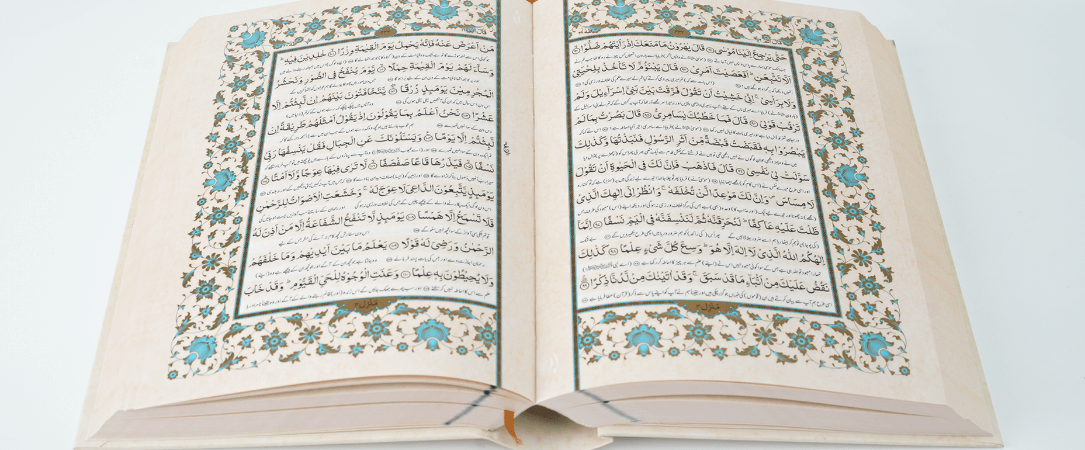
The Quran’s Ethical Compass: Navigating Morality in Islam
The Quran, revered as the holy scripture of Islam, offers profound insights into the realms of morality and ethics, providing timeless guidance for believers seeking to lead virtuous lives. In this comprehensive article, we delve into the multifaceted teachings of the Quran on morality and ethics, exploring the principles, values, and virtues it espouses.
Understanding Morality and Ethics in Islam:
Morality and ethics form the bedrock of Islamic teachings, shaping the conduct and character of individuals in their interactions with others and in their relationship with Allah. Morality refers to the principles of right and wrong behavior, while ethics encompasses the moral principles governing conduct and decision-making in various contexts. In Islam, morality and ethics are inseparable from faith, with believers striving to embody virtuous qualities and adhere to divine commandments in all aspects of life.
The Quranic Foundation of Morality and Ethics:
The Quran serves as the primary source of moral and ethical guidance for Muslims, offering a comprehensive framework for navigating the complexities of human existence. Its teachings on morality and ethics are rooted in the belief in the oneness of Allah (Tawhid) and the prophethood of Muhammad (peace be upon him), providing a transcendent basis for ethical conduct and moral excellence.
Key Themes and Principles:
Tawhid (Oneness of Allah):
Central to Islamic morality is the belief in the oneness of Allah, which entails recognizing His sovereignty, submitting to His will, and worshiping Him alone. This principle underscores the importance of humility, reverence, and devotion in shaping ethical behavior and spiritual growth.
Adherence to Divine Commandments:
The Quran contains clear injunctions and commandments that delineate permissible (halal) and prohibited (haram) actions, guiding believers towards righteous conduct and moral integrity. These commandments cover various aspects of human behavior, including worship, interpersonal relations, business transactions, and societal interactions.
Compassion and Mercy:
Compassion (rahmah) and mercy (rahim) are recurring themes in the Quran, reflecting Allah’s infinite benevolence and compassion towards His creation. Believers are enjoined to emulate these qualities in their interactions with others, showing kindness, empathy, and generosity towards all beings, regardless of their backgrounds or beliefs.
Justice and Equity:
The Quran places a strong emphasis on justice (adl) and equity (insaf), calling upon believers to establish fairness and impartiality in their dealings with others. This entails upholding the rights of the oppressed, seeking redress for the wronged, and advocating for social justice and equality in all spheres of life.
Practical Applications and Examples:
Ethical Business Practices:
The Quran prohibits dishonesty, fraud, and exploitation in business transactions, emphasizing the importance of transparency, honesty, and fairness in all dealings. Believers are encouraged to conduct their business affairs with integrity, fulfilling their contractual obligations and treating customers, employees, and stakeholders with respect and dignity.
Kindness and Compassion Towards Others:
The Quran extols the virtues of kindness, compassion, and empathy, urging believers to extend help and support to the needy, the vulnerable, and the marginalized members of society. This includes caring for orphans, widows, and the destitute, alleviating their suffering, and providing them with assistance and care.
Forgiveness and Reconciliation:
The Quran encourages forgiveness and reconciliation, even in the face of wrongdoing or injustice. Believers are exhorted to overlook minor offenses, pardon those who have wronged them, and strive to resolve conflicts through dialogue, mediation, and reconciliation, fostering harmony and goodwill in their relationships.
Topical Quran:
At Topical Quran, we offer the most exquisite and premium quality Quran editions available. Each of our Qurans is meticulously crafted to showcase both beauty and authenticity. With elegant designs and superior craftsmanship, our collection exemplifies reverence for the sacred text. Elevate your spiritual journey with our top-tier Qurans, meticulously curated for those who seek not just a book, but an experience of divine connection and enlightenment.
Conclusion:
The Quran’s teachings on morality and ethics serve as a beacon of light and guidance for Muslims navigating the complexities of the modern world. Grounded in the principles of faith, humility, compassion, and justice, these teachings offer a transformative framework for cultivating moral excellence, ethical integrity, and spiritual growth. By embodying these timeless principles in their thoughts, words, and actions, believers can strive towards moral and ethical excellence, fulfilling their responsibilities as stewards of goodness and righteousness in the world.
Frequently Asked Questions ( FAQs):
What role does the Quran play in guiding ethical behavior for Muslims?
The Quran serves as the primary source of ethical guidance for Muslims, providing principles, values, and directives that govern moral conduct in various aspects of life.
How does the Quran define morality in Islam?
Morality in Islam is defined as adherence to a set of principles and values that reflect the divine will of Allah. It encompasses honesty, integrity, compassion, justice, and humility in thought, speech, and action.
What are some key ethical teachings of the Quran?
The Quran emphasizes virtues such as honesty, kindness, generosity, forgiveness, and accountability. It condemns vices such as lying, cheating, injustice, arrogance, and cruelty.
How does the Quran address moral dilemmas and ethical challenges?
The Quran offers guidance on navigating moral dilemmas and ethical challenges by providing principles and precedents derived from the teachings of the Prophet Muhammad (peace be upon him) and his companions.
What is the significance of intention (niyyah) in Islamic ethics according to the Quran?
The Quran emphasizes the importance of intention (niyyah) in determining the moral value of an action. It teaches that sincere intentions are essential for righteous deeds to be accepted by Allah.
How does the Quran promote ethical conduct in interpersonal relationships?
The Quran encourages believers to treat others with kindness, respect, and fairness in all interpersonal relationships, including family, friends, neighbors, and strangers.
What is the Quran’s stance on social justice and equality?
The Quran advocates for social justice, equality, and fairness in society, calling upon believers to uphold the rights of the oppressed, marginalized, and vulnerable members of society.