

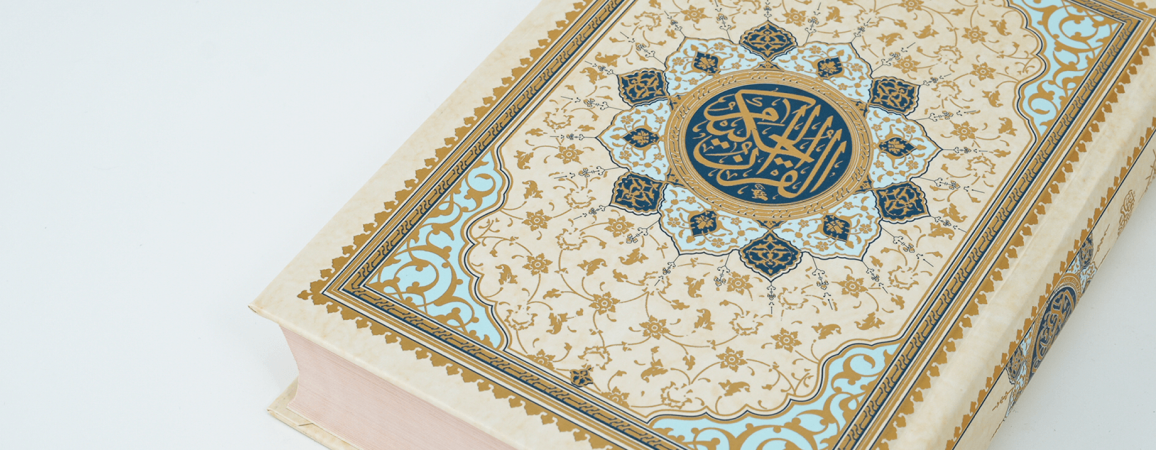
The Revelation of the Quran: Contextualizing Asbab al-Nuzul
The Quran, the holy book of Islam, is the ultimate source of guidance for Muslims, encompassing every aspect of life. Revealed over 23 years, it is seen as the final and most complete message from Allah to humanity, through the Prophet Muhammad (PBUH). Understanding the stages and process of its revelation provides a deeper appreciation of its teachings and historical context, offering insights into its divine origin and the profound impact it has had on the world.
The Beginning of Revelation
The revelation of the Quran began on the Night of Power, or Laylat al-Qadr, a night that holds unparalleled significance in Islam. This event occurred in the last ten days of Ramadan. The Prophet Muhammad (PBUH) was meditating in the Cave of Hira on Mount Jabal al-Nour when Angel Gabriel (Jibril) appeared to him. This encounter marked the beginning of the Quran’s revelation with the first verses of Surah Al-Alaq: “Read in the name of your Lord who created” (Quran 96:1). The profound and awe-inspiring nature of this event set the stage for the continuous divine guidance that would follow.
The Meccan Period
The Meccan period of revelation, which lasted approximately 13 years, focused on establishing the core beliefs of Islam. The revelations during this time emphasized:
- Monotheism: The oneness of Allah (Tawheed) and His supreme power.
- Prophethood: The role and significance of prophets, particularly emphasizing the message of Muhammad (PBUH) as the final prophet.
Afterlife: Detailed descriptions of the Day of Judgment, heaven (Jannah), and hell (Jahannam).
- The Meccan revelations were poetic and powerful, intended to inspire faith and strengthen the resolve of early Muslims who faced severe persecution and opposition from the Quraysh tribe and other Meccan elites.
The Medinan Period
Following the Hijra (migration) to Medina, the nature of the Quranic revelations shifted to address the practicalities of establishing and managing a Muslim community. This period, lasting about 10 years, focused on:
- Community Laws: Detailed guidelines on social justice, family life, inheritance, and communal responsibilities.
- Social Justice: Emphasis on fairness, charity, and the rights of the underprivileged.
Warfare: Rules of engagement, ethics of war, and the importance of defending the Muslim community.
- These revelations were more legislative and detailed, reflecting the growing complexity of the Muslim society in Medina.
Modes of Revelation

The Quran was revealed to the Prophet Muhammad (PBUH) through various modes, including:
Direct Speech from Allah: Rare instances where the Prophet experienced the direct speech of Allah.
Through Angel Gabriel (Jibril): The most common method, where Gabriel conveyed Allah’s words to Muhammad.
Visions and Dreams: Revelatory experiences during sleep, considered as part of the prophetic tradition.
Instances of Inspiration: Sudden moments of divine inspiration experienced by the Prophet.
Each mode of revelation reinforced the divine origin of the Quran and ensured its authenticity and consistency.
Compilation and Preservation
The Quran was meticulously preserved through both memorization and written records. Key aspects include:
- Memorization (Hafiz): Many of the Prophet’s companions memorized the Quran in its entirety.
- Writing Materials: Verses were inscribed on parchment, bones, and leaves by scribes under the Prophet’s supervision.
Role of Scribes: Notable companions, such as Zayd ibn Thabit, were appointed to document the revelations accurately.
- This dual method of preservation ensured the Quran’s authenticity and facilitated its transmission across generations.
The Role of Context in Revelation
Understanding the context, or Asbab al-Nuzul (occasions of revelation), is crucial for interpreting Quranic verses accurately. These contexts include:
- Historical Context: The specific events and circumstances in which revelations were revealed.
- Cultural Context: The social and cultural backdrop of 7th-century Arabia.
Situational Context: Immediate incidents or questions posed to the Prophet that prompted specific revelations.
- These contexts help in comprehending the intended meanings and applications of Quranic teachings.
Challenges and Miracles in Revelation
The Quran is considered miraculous for several reasons:
- Linguistic Excellence: Its unmatched eloquence and literary beauty, challenging contemporaries to produce a single chapter like it.
- Scientific Accuracy: Verses that correspond with modern scientific discoveries, despite being revealed 1,400 years ago.
Prophetic Insights: Accurate predictions and profound wisdom that remain relevant across ages.
- These aspects underscore the divine nature of the Quran and its enduring impact on believers and scholars.
The Final Compilation
After the Prophet’s death, the need to compile the Quran into a single, standardized text became paramount. Key steps included:
- Caliph Abu Bakr’s Initiative: Under his directive, Zayd ibn Thabit led the first official compilation, ensuring all verses were collected.
Caliph Uthman’s Standardization: Uthman ibn Affan ordered the production of several standardized copies to prevent discrepancies, which were then distributed across the Muslim world.
- This process ensured the Quran’s uniformity and preserved its integrity for future generations.
The Quran’s Influence on Muslim Life
The Quran profoundly influences every aspect of a Muslim’s life, including:
- Daily Recitation and Memorization: Regular reading and memorization (Hifz) as acts of devotion and spiritual enrichment.
- Law and Ethics: Forming the basis of Sharia (Islamic law) and guiding ethical behavior.
Cultural Impact: Influencing art, literature, and daily customs within Islamic cultures.
- The Quran’s teachings shape personal conduct, community interactions, and legal frameworks in Muslim societies.
Topical Quran:
Conclusion
The revelation of the Quran, with its meticulous process and profound stages, remains a cornerstone of Islamic faith and practice. Its historical context, miraculous nature, and comprehensive guidance continue to inspire and guide Muslims worldwide. Understanding this revelation process enhances appreciation for the Quran’s divine origin and its enduring significance in the lives of believers.
Frequently Asked Questions (FAQ’s)
How long did the Quranic revelation process take?
The Revelation of the Quran completed over a period of approximately 23 years. This period is divided into two main phases: the Meccan period, which lasted around 13 years, and the Medinan period, which lasted about 10 years. The revelations addressed the changing circumstances and evolving needs of the early Muslim community during these two phases.
What are the main themes of the Meccan and Medinan revelations?
The Meccan revelations primarily focused on the foundations of Islamic faith, emphasizing the oneness of Allah (Tawheed), the concept of prophethood, and the afterlife. They aimed to establish a strong spiritual and ethical foundation for the early Muslims. The Medinan revelations, on the other hand, addressed the practicalities of organizing and governing a Muslim community. They included detailed instructions on social justice, family life, community laws, and the ethics of warfare.
How was the Quran preserved during the Prophet’s lifetime?
During the Prophet Muhammad’s (PBUH) lifetime, the Quran was preserved through both memorization and written records. Many of the Prophet’s companions memorized the entire Quran (Hafiz), and verses were also written down on various materials such as parchment, bones, and leaves by appointed scribes. This dual method of preservation ensured the accuracy and authenticity of the Quranic text.
What is Asbab al-Nuzul and why is it important?
Asbab al-Nuzul, or “occasions of revelation,” refers to the specific historical, social, or situational contexts in which Quranic verses were revealed. Understanding these contexts is crucial for interpreting the Quran accurately, as it provides insights into the intended meanings and applications of the verses. It helps in comprehending the divine wisdom behind specific commands and guidelines.
What was the role of Caliph Uthman in the compilation of the Quran?
Caliph Uthman ibn Affan played a pivotal role in the standardization of the Quranic text. During his caliphate, he ordered the production of several standardized copies of the Quran to prevent discrepancies and ensure uniformity across the growing Muslim empire. These copies were then distributed to different regions, and any other versions were destroyed to avoid confusion and maintain consistency.
How does the Quran influence the daily life of a Muslim?
The Quran profoundly influences the daily life of a Muslim in numerous ways. It guides personal conduct, ethical behavior, and decision-making. Muslims engage in regular recitation and memorization of the Quran as acts of devotion and spiritual growth. The Quran also serves as the basis for Islamic law (Sharia), influencing legal, social, and cultural practices within Muslim communities.
What are the different modes through which the Quran was revealed to Prophet Muhammad (PBUH)?
The Quran was revealed to Prophet Muhammad (PBUH) through various modes:
- Direct speech from Allah: Rare instances where the Prophet experienced the direct speech of Allah.
- Through Angel Gabriel (Jibril): The most common method, where Gabriel conveyed Allah’s words to Muhammad.
- Visions and dreams: Revelatory experiences during sleep, considered as part of the prophetic tradition.
Instances of inspiration: Sudden moments of divine inspiration experienced by the Prophet.
- These modes reinforced the divine origin of the Quran and ensured its authenticity and consistency.